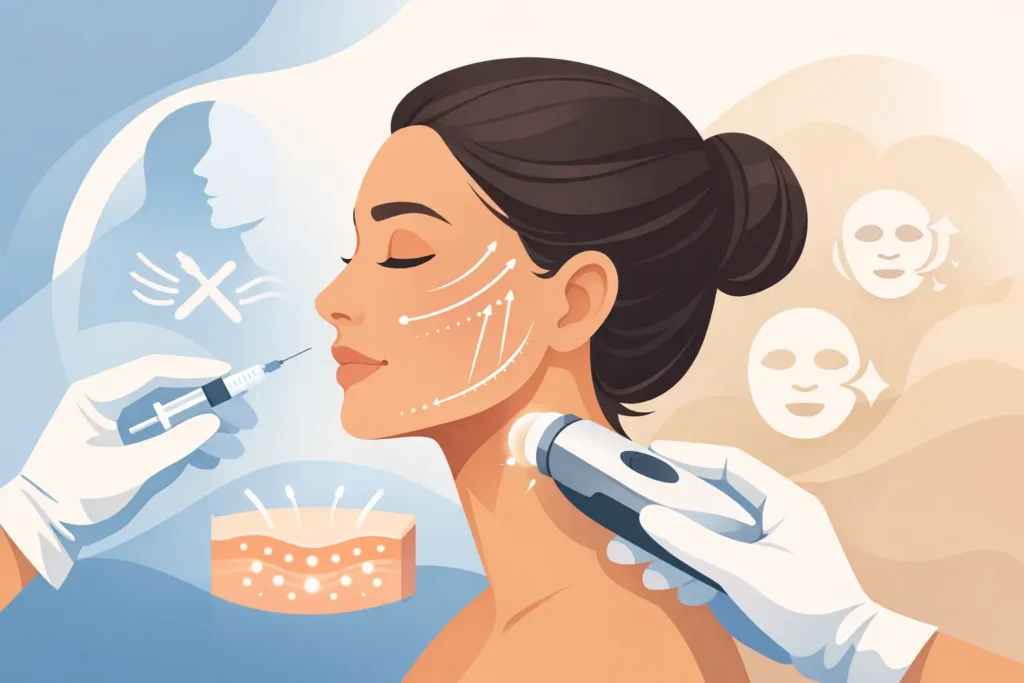
A smaller number on the scale does not always change the areas that bother you most. Many women eat well, exercise consistently, and still feel frustrated by fullness under the chin, a lower belly pouch after pregnancy, or outer thighs that do not seem to budge. That is where body contouring and fat reduction can make a meaningful difference. When approached with the right plan, these treatments can refine shape, improve confidence, and support the work you are already doing.
The key is understanding what these treatments can do, and what they cannot. Body contouring is not a shortcut to overall weight loss. It is a targeted way to address stubborn fat, improve silhouette, and in some cases enhance muscle definition or skin firmness. The best outcomes come from physician-guided planning, realistic expectations, and a treatment approach that fits your body, lifestyle, and timeline.
What body contouring and fat reduction actually mean
People often use these terms interchangeably, but they are not exactly the same. Fat reduction focuses on decreasing pockets of stubborn fat in specific areas. Body contouring is broader. It may include fat reduction, but it can also involve treatments for cellulite, muscle sculpting, mild skin laxity, and shape refinement.
That distinction matters because not every concern is really a fat concern. Sometimes the issue is loose skin after weight changes. Sometimes it is cellulite creating texture irregularities. Sometimes it is weakened abdominal muscles after pregnancy, or a combination of all three. A consultation-led approach helps separate those issues so treatment is based on what you actually need, not just the area you want to change.
Who is a good candidate?
The strongest candidates for non-surgical contouring are usually close to their goal weight but bothered by localized areas that resist diet and exercise. Common treatment zones include the abdomen, flanks, thighs, under the chin, upper arms, and back.
Good candidates also tend to share a similar mindset. They want natural-looking improvement, not a dramatic overnight transformation. They are willing to follow a treatment schedule, maintain their results with healthy habits, and understand that body contouring works best as part of a broader wellness plan.
There are also times when someone is not an ideal candidate for a specific device or protocol. If skin laxity is the primary concern, fat reduction alone may make the area look less smooth. If a patient wants major volume change, surgery may be the more appropriate option. If hormonal shifts, inflammation, or weight fluctuations are driving the concern, metabolic support or medical weight loss may need to be part of the conversation. This is why a personalized plan matters so much.
How non-surgical fat reduction works
Most non-surgical fat reduction treatments target fat cells without surgery, incisions, or long recovery. Depending on the technology used, the treatment may cool, heat, or otherwise disrupt fat cells so the body can gradually process and eliminate them over time.
This gradual change is one reason results often look natural. You are not walking out with an instantly different body. Instead, your shape improves over several weeks or months as the treated area becomes slimmer and more balanced.
The trade-off is patience. Non-surgical treatments usually require time, and some areas may need multiple sessions. The upside is less downtime, lower risk than surgery, and a treatment experience that often fits more comfortably into a busy professional or family schedule.
Body contouring beyond fat loss
Many women come in asking for fat reduction when what they really want is a smoother, firmer, more athletic look. That is where a fuller body contouring plan can be more effective than a single treatment.
Muscle sculpting
For patients who want more definition in the abdomen, glutes, or other areas, muscle stimulation treatments can strengthen and tone underlying muscles. These treatments are especially appealing to clients who already live a healthy lifestyle but want help achieving a more sculpted appearance.
Cellulite reduction
Cellulite is not a sign that you are out of shape. It is incredibly common, even in fit women. Because cellulite involves fibrous bands, skin structure, and fat distribution, it usually needs a different solution than fat reduction alone. Treating cellulite directly can improve skin texture and make contour changes look more polished.
Skin tightening support
If the skin has lost elasticity after pregnancy, weight loss, or aging, adding skin tightening may improve the final result. This is especially important in areas where removing volume without supporting the skin could leave the contour looking less firm.
What results should you expect?
This is one of the most important parts of the conversation. Body contouring can create visible improvement, but it is not magic and it is not the same as surgery. Results depend on your starting point, the area treated, the technology used, and how your body responds.
For some patients, success means a smoother waistline in fitted clothing. For others, it means seeing more definition through the midsection, reducing fullness under the chin, or feeling more comfortable in photos before a wedding or vacation. The right benchmark is not perfection. It is meaningful change that still looks like you.
Results also tend to build. Some people notice early changes within weeks, but the full outcome can take a few months. If your treatment plan includes more than one modality, improvements may appear in stages as fat reduction, skin response, and muscle tone evolve.
Why customization matters so much
A cookie-cutter plan can miss the reason a body concern exists in the first place. Two women may both say they want a flatter stomach, but one may be dealing with stubborn subcutaneous fat while the other has mild skin laxity and separated abdominal muscles after pregnancy. The same treatment will not serve both equally well.
That is why physician-guided protocols and a thorough consultation are worth prioritizing. A quality provider will look at body composition, skin quality, medical history, timeline, and comfort level before recommending treatment. They should also be honest when a concern may need a combined approach or when a patient is better served by focusing on weight stabilization or wellness support first.
At a practice like Natural Rejuvenation Med Spa, this personalized model is especially valuable because body goals rarely exist in isolation. A patient may also be navigating midlife hormonal changes, postpartum recovery, or weight loss plateaus. Integrating aesthetic treatment with broader wellness support can make results more sustainable and more satisfying.
Questions to ask before starting body contouring and fat reduction
Before you commit, ask what technology is being used, how many sessions are typically recommended, when you can expect to see change, and whether the area may also benefit from muscle sculpting, cellulite treatment, or skin tightening.
You should also ask what the treatment feels like, whether there is downtime, and what maintenance may be needed. Transparent pricing matters too. So does a provider who can show you realistic before-and-after examples and explain why your plan is being recommended.
This is not about being sold a package. It is about understanding the strategy behind your care.
The role of lifestyle in protecting your results
Non-surgical fat reduction can reduce treated fat cells, but it does not prevent future weight gain. Remaining fat cells can still enlarge if habits shift significantly. That is why the best providers speak openly about maintenance, nutrition, movement, sleep, and hormone balance rather than treating contouring as a stand-alone fix.
This can actually be reassuring. You do not need to be perfect to enjoy your results. But you do want a plan that supports your investment. For many women, the most successful path is combining treatment with realistic wellness habits they can sustain.
Is now the right time?
It depends on your goals. If you have a major event in a few weeks, you may need to be strategic about what kind of improvement is realistic in that window. If you are actively losing weight, it may make sense to wait until your body is more stable. If you are feeling discouraged by an area that has not changed despite consistent effort, this may be exactly the right time to explore options.
The most empowering decision is an informed one. Body contouring should never feel intimidating or shame-based. It should feel like expert guidance, thoughtful planning, and a clear path toward feeling more confident in your own body.
When treatment is customized, medically guided, and grounded in natural-looking outcomes, body contouring can do more than slim a stubborn area. It can help your reflection feel more aligned with how strong and capable you already are.